HAVE A QUESTION?
Call us : +1-945-209-7691

- Software DevelopmentIT Consulting & DesignAI & Data SolutionsBusiness Support ServicesQuality AssuranceTeam & Resource Support
We help businesses across the USA and Canada turn product ideas and difficult workflows into clear, usable web and mobile experiences. Our team handles discovery, user flows, prototypes, interface design, design systems, and front-end implementation.
Start with a short conversation about your users, product, and current challenges.
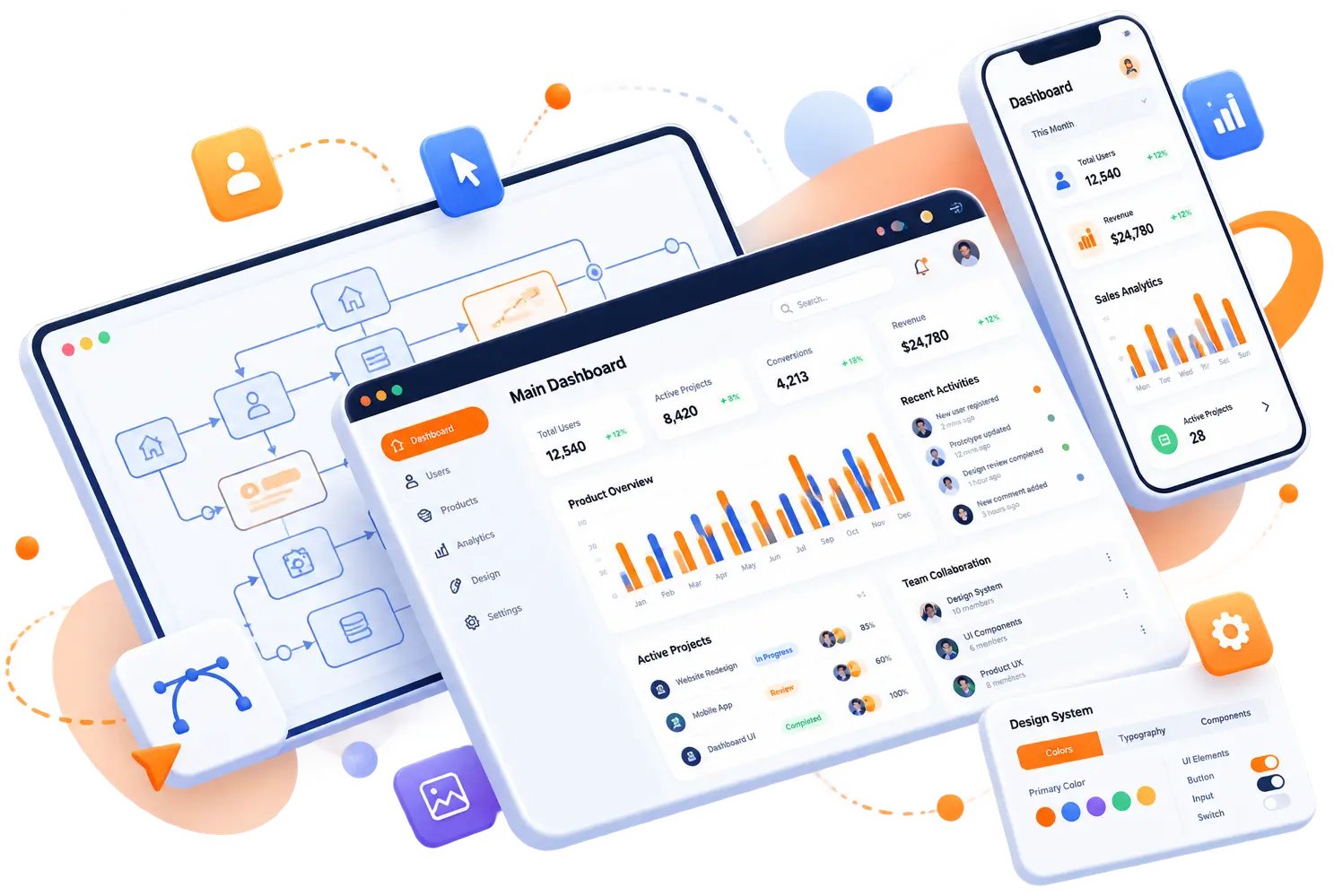
An interface can look polished and still slow people down. We start by understanding who uses the product, what they need to accomplish, and where the current experience creates friction. That work shapes the structure, interactions, and visual design before development begins.
Moltech provides UI UX design and development services for SaaS platforms, customer portals, mobile apps, internal systems, eCommerce experiences, and business software. We can support the full product journey or focus on the stage that needs attention now.
Choose the option closest to your project. You do not need a finished brief before speaking with us.
Clarify the users, core workflow, scope, and MVP before development begins.
Plan a New ProductFind the friction in important workflows and redesign the parts that slow users down.
Improve My ProductCreate a shared design system and reusable components across screens and platforms.
Build a Design SystemTurn the designs into responsive, tested front-end interfaces that fit the product architecture.
Discuss DevelopmentReview the product, priorities, and constraints with our team before choosing a service path.
Help Me ChooseUse the capabilities you need as a focused engagement or combine them into one product design and development program.
Whether you are starting from an idea, improving an existing product, building a design system, or moving to front-end, we provide the right support for your stage.
Turn an early idea into a defined product experience with priority workflows, wireframes, a testable prototype, interface design, and a development-ready scope.
Review the current experience, identify the workflows causing the most friction, and improve the product without changing everything at once.
Standardize visual rules and reusable components so new features can be designed and built with less inconsistency and rework.
Move from approved designs to production-ready UI with responsive behavior, component implementation, integration, and quality checks.
Design decisions account for responsive behavior, application states, data, permissions, and technical constraints.
We are comfortable working with dashboards, internal systems, role-based products, and business processes that cannot be reduced to a simple marketing page.
Reusable components and documented patterns give future features a consistent starting point.
Shared design files, review notes, and agreed checkpoints help product owners, designers, and developers work from the same direction.
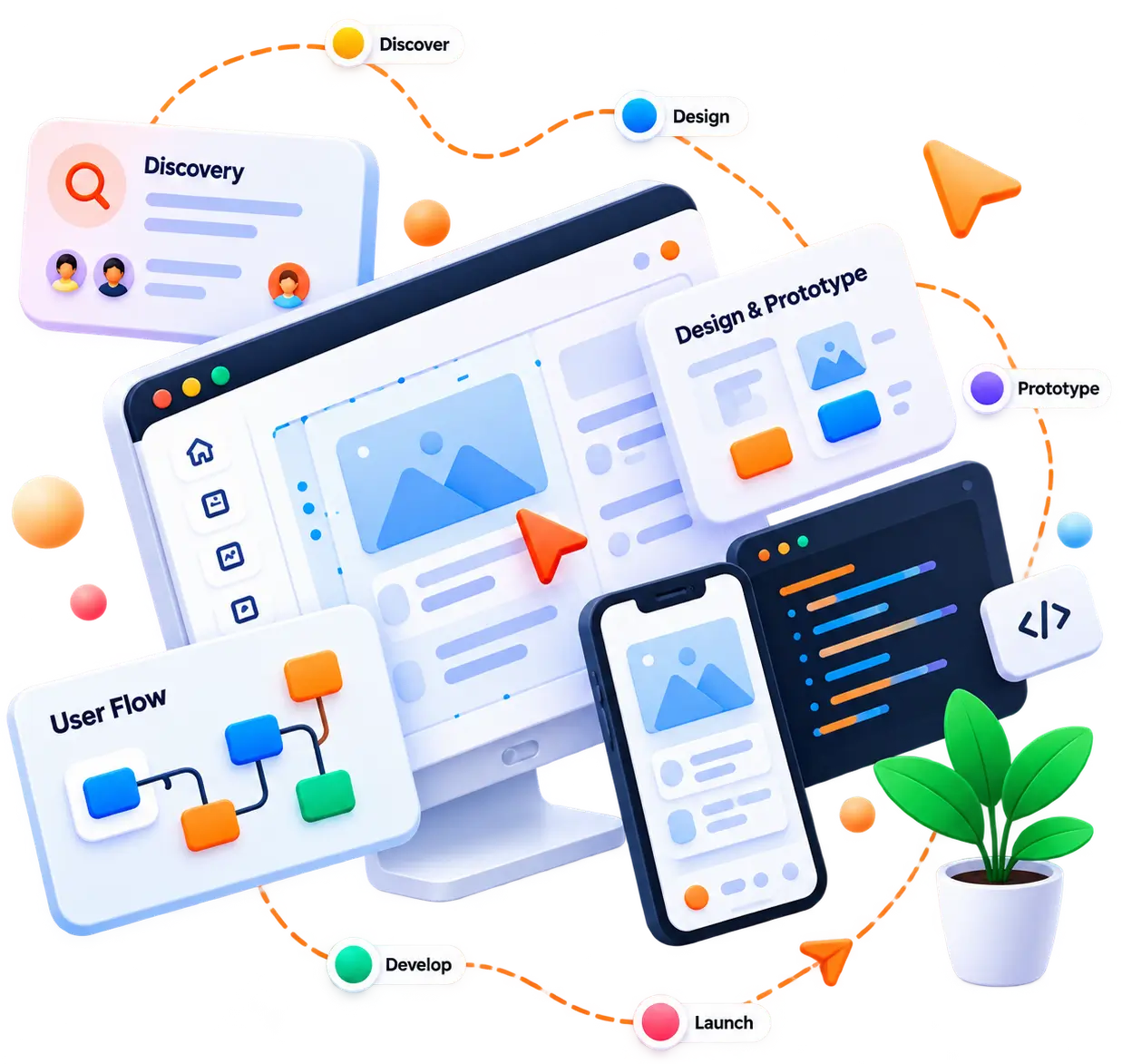
The process is adjusted to the project. A redesign may begin with an experience review, while a new product usually begins with discovery and workflow definition.
Review the product goal, users, current workflow, business rules, technical environment, and delivery priorities.
Define navigation, information structure, user flows, key states, and the actions each user needs to complete.
Explore screen structure and workflow logic without spending time on final visual details too early.
Connect important screens into a testable flow, review it with stakeholders, and revise the areas that remain unclear.
Apply the visual direction, responsive behavior, components, states, and interaction patterns.
Build the approved experience, integrate it with the application, and verify responsive behavior and critical states.
Review the live experience, address priority issues, and define the next set of product improvements.
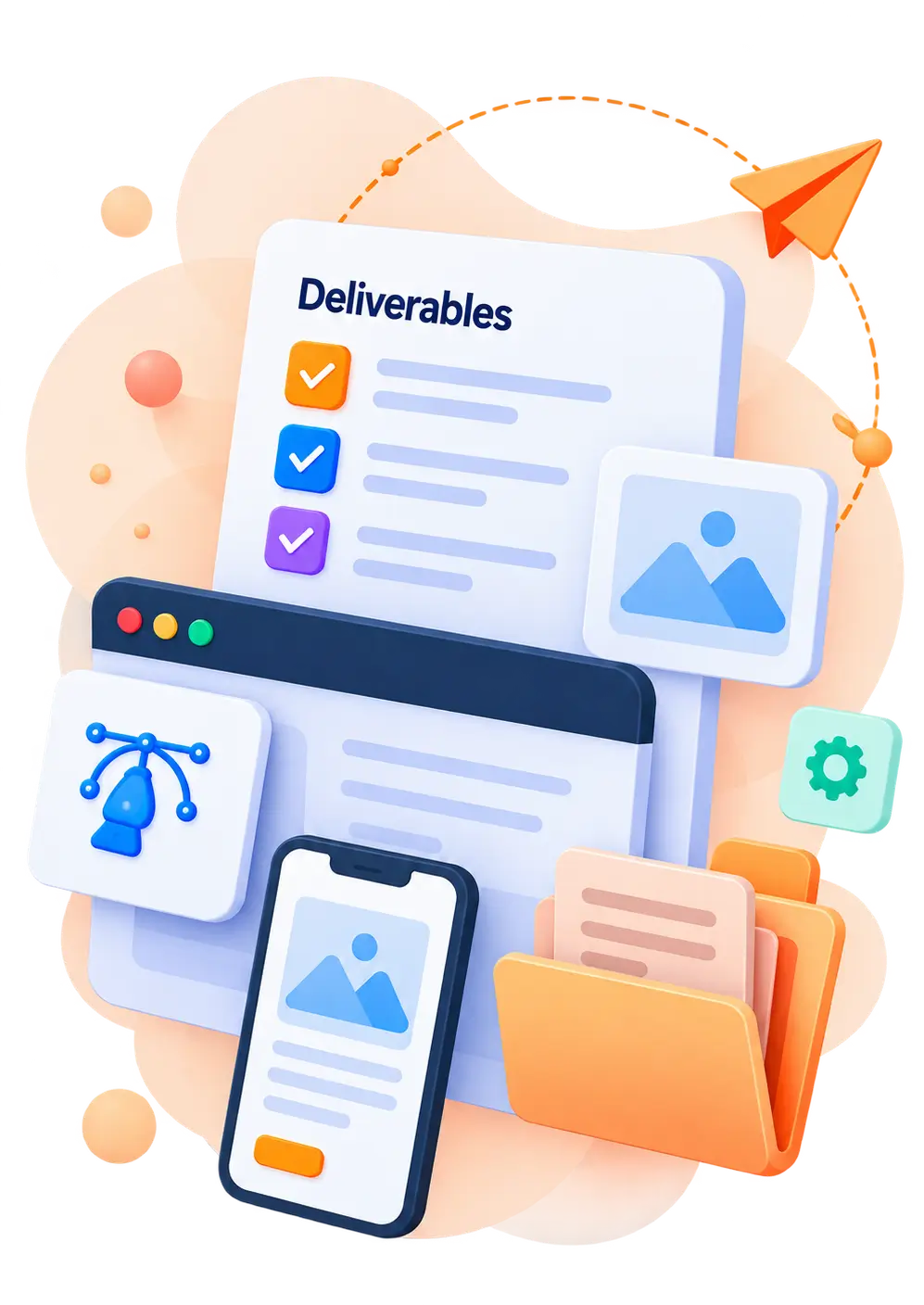
The final deliverables depend on the agreed engagement. Most projects include three to five review rounds, but the proposal should define the exact screens, workflows, platforms, approval points, and development responsibilities before work begins.
Product goals, user groups, priority workflows, constraints, assumptions, and recommended scope.
User flows, information architecture, navigation, content hierarchy, and screen inventory.
Wireframes, workflow states, validation notes, and an interactive prototype where appropriate.
High-fidelity web or mobile screens, responsive layouts, interaction states, and design assets.
Foundations, reusable components, component states, patterns, and usage guidance.
Organized design files, specifications, assets, behavior notes, and acceptance details.
Implemented UI components, responsive behavior, integration support, and quality-check notes when development is included.
Sessions scheduled to match your active time zones across the US and Canada.
Direct Figma access, weekly sprint reviews, and defined approval milestones.
Design systems paired seamlessly with front-end engineering and quality checks.
Moltech supports North American product teams from its Plano office and its design and engineering operation in India. We plan review sessions around the customer's preferred working hours and agree on decision owners, shared files, communication channels, and approval points at the start of the engagement.
Whether you are planning a new SaaS product, improving a customer portal, modernizing business software, or preparing approved designs for development, the work stays connected through documented decisions and clear review points.
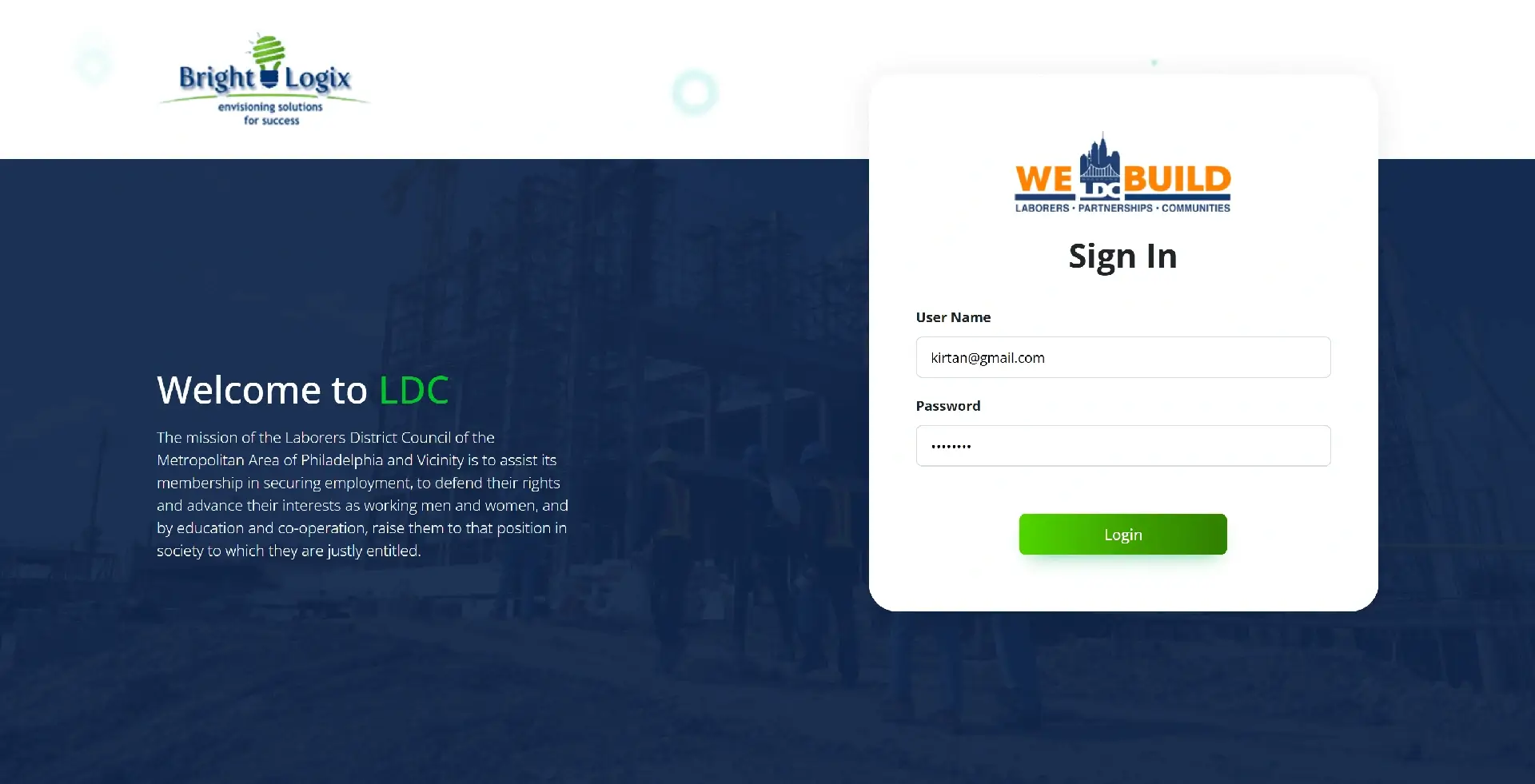
LDC needed one secure system for employers, associations, contracts, audits, reports, and role-based access. Moltech developed a modular workflow and reporting portal that brought these administrative processes into a centralized application.
Workflow management | Structured reporting | Role-based access | React and .NET implementation
Explore answers to common questions about our digital product design, UX strategy, prototypes, design systems, and front-end engineering.

Share the product, workflow, or idea you want to improve. We will help define the right starting point, whether that is a UX review, prototype, product redesign, design system, or front-end implementation.
 USA
 Singapore
 Switzerland
 India