


In 2026, the companies outpacing their markets will treat their CRM platforms as the operating system for growth, not a glorified Rolodex. Founders, revenue leaders, CIOs/CTOs, and CX executives are navigating unprecedented complexity: more channels, stricter compliance, AI embedded everywhere, and a tech stack that keeps multiplying. The old model of layering point tools on top of a legacy CRM no longer scales.
CRM platforms 2026 are evolving beyond traditional customer relationship management tools into full business platforms. They now combine AI copilots and autonomous agents, end-to-end automation, unified data, real-time intelligence, and integration-first architectures. This article explores that transformation, compares legacy CRM to platform-based CRM in 2026, highlights real ROI levers, and outlines a practical roadmap for modernizing your stack.
What Modern CRM Platforms Actually Do End-to-End?
In 2026, CRM goes far beyond sales software and basic contact management. Modern platforms connect customer data, workflows, intelligence, and cross-functional operations throughout the customer lifecycle. That definition quietly broke over the last few years. What most companies now call CRM is really the system that holds the entire customer story from first touch to long-term revenue. The biggest change is not that CRMs added more features. It’s that businesses stopped tolerating fragmentation. Managing customers across 10 different tools creates gaps, delays, and blind spots. Modern CRM platforms reduce that chaos by connecting sales, marketing, and customer service around a shared customer lifecycle, while still allowing API integrations where specialized systems add value.
Sales: Fewer Tools, Clearer Priorities
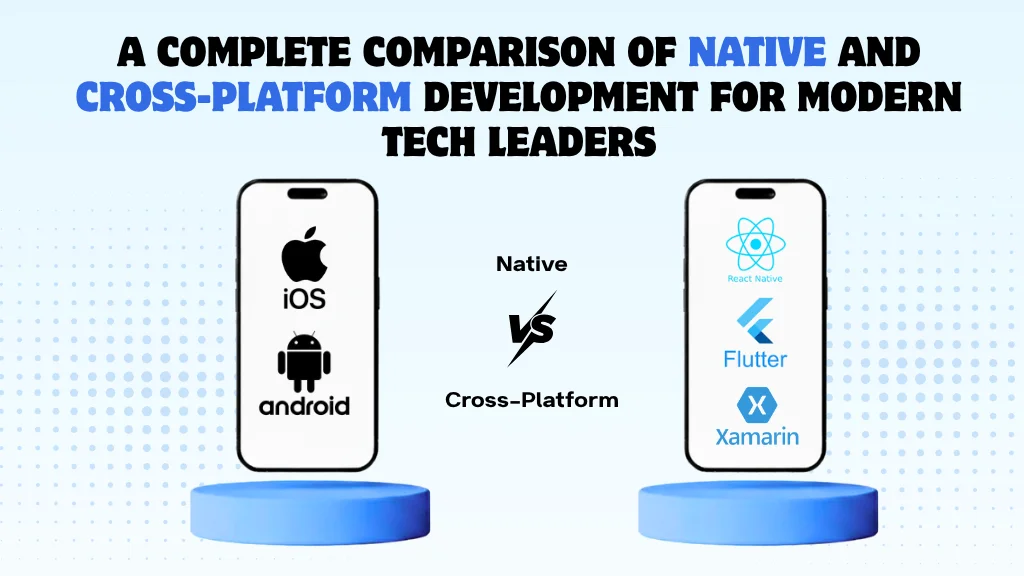
Sales teams no longer waste time moving leads between systems. Modern CRMs pull inquiries from websites, chats, calls, emails, and events into one shared sales pipeline, giving teams a consistent view of opportunities and customer activity. Everyone sees the same data. That alone removes a lot of friction. AI also strengthens lead management by identifying which leads deserve attention, which opportunities are stalling, and what the next action should be. It doesn’t replace sales judgment it supports it. Workflow automation handles tasks like scheduling, quote generation, renewals, and handoffs inside the same flow, helping deals move without constant manual follow-ups. For teams on the move, mobile access isn't an add-on anymore. Businesses building custom mobile CRM experiences can explore React Native mobile app development to support field teams across iOS and Android. Offline updates, voice notes, and quick actions are increasingly important capabilities. Offline updates, voice notes, and quick actions are expected, not special features. Centralized deal tracking also helps sales teams monitor opportunity stages, stalled deals, next actions, and expected revenue without switching between systems.
Marketing:
Marketing used to live in its own world, often relying on disconnected marketing tools. In 2026, that separation is mostly gone as CRM data increasingly connects campaigns, customer activity, and revenue outcomes. Campaigns now run directly on CRM data, which means messaging reflects what customers actually do not what lists say they might do. Personalization becomes simpler because data is already unified. Funnel tracking is clearer because revenue isn’t guessed it’s traced. Teams can finally answer basic questions like “Did this campaign influence sales?” without exporting data into five tools. AI helps with drafts, variations, and testing ideas, but the strategy stays human. That balance matters.
Customer Support and Success:
Support no longer starts with “What’s your issue?” because the CRM already knows the context. Conversations from chat, email, and calls live in one place. Knowledge bases become more useful when they incorporate insights from real customer interactions. Businesses can also use conversational AI agents to connect customer conversations with relevant information, improve support workflows, and deliver more contextual responses. The more important shift is proactive engagement. CRMs now flag risk early low usage, negative sentiment, missed milestones so teams can act before customers disengage. Renewals and upsells stop being last-minute surprises and become planned conversations.
Operations and Finance:
Behind the scenes, CRM data feeds decision-making far beyond customer-facing teams. Leaders track pipeline health, retention, and margins without reconciling numbers across systems. Enterprise-level CRM platforms increasingly require built-in data governance, role-based access control, consent management, auditability, and security across connected customer data. Integrations with ERP, billing, and analytics systems help align financial data with customer activity. For manufacturing businesses, reliable ERP and CRM integration is especially important for maintaining consistent customer records, pricing, orders, and financial information across connected systems.
Why This Matters?
Smart CRM platforms reduce noise by connecting customer data, automation, AI-driven insights, and workflows within one platform. Businesses with specialized requirements can explore custom CRM development to create solutions aligned with their processes and long-term growth goals.
AI-Powered CRM Platforms in 2026: From Copilots to Agents
AI Is No Longer an Add-On It’s the Operating Layer
This section frames the shift clearly: CRM and AI are no longer separate ideas. Intelligence now sits inside everyday work, quietly shaping decisions instead of showing up as a feature checkbox.
Copilots That Reduce Admin
Sets the expectation correctly. These copilots support sales automation by reducing repetitive work around calls, emails, CRM updates, scheduling, and follow-up tasks, while leaving important conversations and judgment to people.
- Decisions Start with Probability
Predictive analytics helps CRM teams identify patterns in customer behavior, prioritize opportunities, and recognize potential churn risks. Modern AI CRM features also support predictive lead scoring, sales forecasting, intelligent automation, and data-driven customer engagement.
When CRM Systems Start Taking Action on Your Behalf?
A grounded way to introduce agents. It avoids hype while making the shift from suggestion to execution very clear.
CRM Finally Works Where Sales Actually Work
This speaks directly to field teams and mobile users. It feels practical, not technical, and aligns perfectly with voice-first and mobile-native experiences.
Two Constraints That Matter More Than Features
A strong framing for governance and model strategy. It signals maturity and realism instead of innovation theater.
What AI-First CRM Really Means in Daily Operations?
This wraps the section in a practical way bringing everything back to day-to-day impact rather than abstract “future” language.
Legacy CRM vs. Modern Platform-Based CRM
If you’re still on a legacy system, you already feel the friction. Here’s how the two worlds diverge:
| Area | Legacy CRM (What Teams Still Struggle With) | Modern Platform-Based CRM (How Work Actually Happens Now) |
|---|---|---|
| Data capture | Most data is entered manually. Automation exists, but it’s usually bolted on through plugins that break or fall out of sync over time. | Customer activity is captured automatically across channels. AI summarizes conversations and keeps records updated without constant human effort. |
| Customer visibility | Sales, marketing, and service operate in silos. Getting a full customer view often means exporting data and waiting weeks for reports. | A single, unified customer profile updates in real time. Teams see the same information and act on it immediately. |
| Use of AI | AI is limited to basic scoring and canned insights that rarely reflect real customer behavior. | Intelligence is embedded throughout the lifecycle, from predicting churn to recommending the next best offer based on live signals. |
| Compliance and audits | Compliance exists on paper, but audit trails are fragile. Logs often live in spreadsheets or disconnected systems. | Compliance is built into the platform. Every action is timestamped, consent is tracked, and access is controlled by role by default. |
| Adding new channels | Each new channel chat, WhatsApp, events requires another tool and another fragile integration. | Channels are treated as inputs, not systems. New touchpoints plug into the same data model without breaking workflows. |
| System flexibility | Customization is expensive and risky. Small changes can impact the whole system. | The platform is composable. Native modules and best-of-breed tools work together under a consistent, governed architecture. |
Common Pitfalls When Upgrading a CRM Platform?
Using the New CRM the Same Way as the Old One
A lot of CRM upgrades fail quietly at this step. Teams move everything from the old system into the new one and expect better results. But if the process doesn’t change, the experience doesn’t either. People still follow the same steps, do the same manual work, and face the same delays. Over time, users start asking why the upgrade was needed at all. A new platform only helps when teams are willing to rethink how work should flow today.
Poor Data Quality Creates Ongoing Problems
Data issues are easy to ignore in the beginning. A few duplicates here, some outdated contacts there it doesn’t feel urgent. But over time, these small problems pile up. Reports stop matching reality. Personalization feels off. AI recommendations don’t make sense. When users stop trusting the data, they stop trusting the system. Keeping data reasonably clean from the start saves a lot of frustration later.
Not Spending Enough Time on User Training and Adoption
It’s common to assume people will “figure it out” once the CRM is live. In reality, most users are just trying to get through their day. If the system feels confusing or slows them down, they avoid it. Training doesn’t need to be heavy or formal, but it does need to be practical. Showing team members how the CRM supports their daily responsibilities and reduces repetitive work makes adoption much easier.
Common Mistakes That Slow Down CRM Transformation
Waiting Too Long for Clean or Perfect Data
Some teams keep postponing progress because the data isn’t perfect yet. The problem is, it never will be. Data gets better when people use the system, spot issues, and fix them over time. Waiting only delays learning and value. Making steady progress using existing resources is better than staying stuck.
Selecting Features Without a Clear Strategy
CRM systems today are feature-rich, and it's tempting to activate everything right away. But, without a clear plan, this can quickly become a recipe for chaos. Teams don’t know what to use, and nothing gets adopted properly. A simple roadmap helps teams prioritize the key features that solve immediate business problems, then introduce additional capabilities as users and processes mature.
Overlooking the Needs of Daily Users
At the end of the day, a CRM's effectiveness depends on the people who use it daily. Sales representatives, marketers, and support staff need to experience real advantages; otherwise, they'll abandon the system. Even the most advanced platform will struggle if its users aren't engaged. Prioritizing user feedback, implementing incremental enhancements, and delivering swift victories fosters trust and builds positive momentum.
Conclusion
CRM platforms will win in 2026 because they operate where value is created: at the intersection of data, decisions, and delivery. The winners won’t be the companies with the most fields or the prettiest dashboards. They’ll be the ones that unify data, let AI advise and act with guardrails, and run the entire customer lifecycle from one intelligent core. Start with outcomes. Clean your data foundation. Choose an integration-first architecture that enables AI copilots and agents to deliver measurable lift. When CRM stops being “just a CRM” and becomes your growth platform, retention improves, revenue compounds, and teams finally get time back to sell, serve, and build.