




That's the question, isn't it? It's the initial question that always surfaces for founders, CTOs, and finance leaders when they're mapping out a new product or platform. The solution in 2025 is, very frankly, more complicated than it used to be. AI's role in development, shifting job landscapes, new privacy regulations, and the unpredictable nature of cloud pricing are all factors that are fundamentally altering the way software budgets are constructed. The result is that two projects, even if they seem comparable at first, can end up with drastically different costs.
This article explores the actual factors influencing the cost of custom software development. It offers practical pricing estimates, spanning everything from streamlined MVPs to complex enterprise systems. Furthermore, it examines the emerging trends that will impact budgets in 2025. You'll also receive a practical cost estimation framework, along with a simple software cost calculator ready for immediate use. Furthermore, you'll gain insights into hidden costs, regional rate comparisons, and guidance on selecting the most suitable vendor model. Whether you're laying the groundwork for a new construction project or trying to secure funding from the board, this book is designed to help you plan effectively and get the most value for your investment.
What drives custom software development cost in 2025?
There’s a reason you’ll never find a standard price for custom software. Two founders can both ask for an app, yet one actually needs a simple MVP prototype while the other requires a compliance-heavy enterprise platform with integrations, analytics, and real-time features. To make informed budget decisions, it is helpful to understand what actually drives the total project cost, from scope and technical complexity to team structure, integrations, security, and ongoing maintenance. Here’s a breakdown in plain, practical terms.
Scope and Features Each Feature Has Many Layers of Work
When you write down things like logging in, making payments, sending messages, dashboards, or statistics, they look simple. However, they all require significant effort, including product development, backend logic creation, frontend UI design, API development, and extensive quality assurance testing. Adding new user roles (like admin, customer, or manager) or more platforms (like web, iOS, and Android) makes the work a lot harder all of a sudden. This is why even a "basic app" can soon expand to have dozens of displays, workflows, and edge situations.
Complexity: Some features are easy to use, while others make the work harder.
Some complex features require deeper architecture, more engineering effort, specialized expertise, and additional testing, which can significantly increase development time and cost:
- Working together in real time, similar to Google Docs
- AI/ML parts, like suggestions, forecasts, and classifications
- Hierarchies and multi-tenant logic are examples of complex permissions.
- Apps that work without the internet (offline sync)
- Regulatory requirements (SOC 2, PCI, and HIPAA)
These aren't "just features"; they're technical problems that need greater design, more testing, and more experienced people.
Platforms and Devices The More You Support, the More It Costs
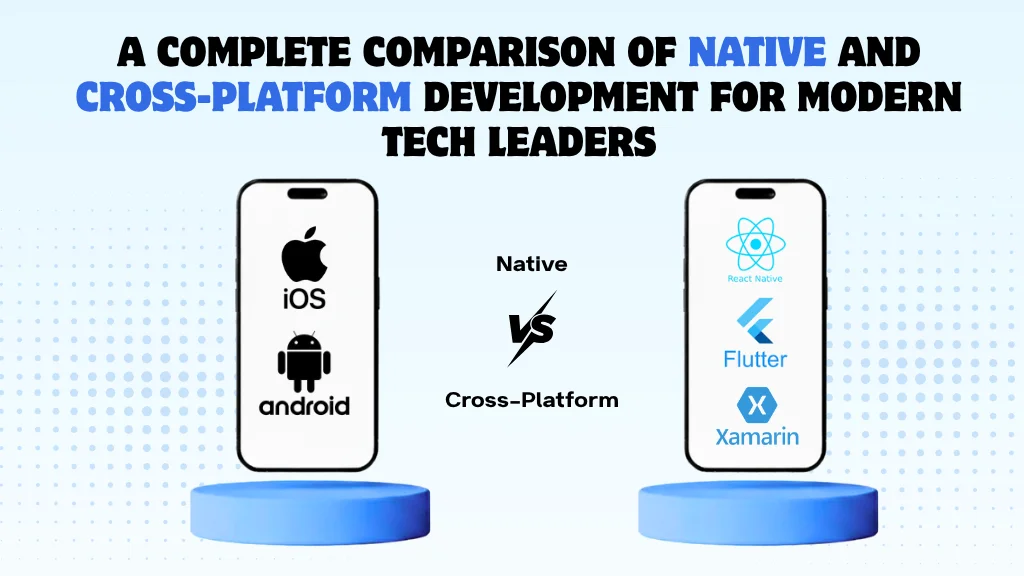
Building just for the web is faster and cheaper. Custom Web Development is often a cost-effective starting point for businesses that need tailored workflows, integrations, dashboards, or customer-facing functionality without immediately maintaining separate native mobile applications. But adding apps for both iOS and Android means having to build and keep up with several codebases. Cross-platform frameworks like Flutter or React Native can save you money at first, but they can also slow down your app or make it less flexible in the long run. More devices mean more screens, more tests, and more edge cases.
Technology Stack Popular Choices Save Money, Niche Ones Cost More
Building custom software solutions with widely used stacks like React, Node.js, .NET, and Django is usually more cost-efficient because:
More developers know them
Hiring is faster
Bug fixes and libraries are well-supported
Development accelerates
But using specialized stacks like Rust, Elixir, blockchain frameworks, or cutting-edge AI toolkits means:
Higher hourly rates
Smaller talent pool
Longer development cycles
Innovation costs more both in time and money.
Team Structure and Seniority Good Teams Aren’t Just Developers
A real software team typically includes:
- Product Manager
- UI/UX Designer
- Frontend Developer
- Backend Developer
- QA Tester
- DevOps / Cloud Engineer
Depending on the size and complexity of the engagement, dedicated project managers may also coordinate timelines, resources, dependencies, communication, and delivery risks.
For data-heavy or AI projects, you’ll also need data engineers or ML specialists. When evaluating the real cost of hiring developers, businesses should consider more than salaries or hourly rates, including recruitment, benefits, onboarding, management, retention, infrastructure, and the cost of delayed delivery. Senior teams cost more per hour, but they ship faster, introduce fewer bugs, and avoid costly rewrites. Junior-heavy teams seem cheaper, but they often create technical debt that becomes very expensive later.
Integrations and Data Migration Easy or Extremely Hard
Not all integrations are equal. Connecting to modern APIs like Stripe or Twilio is quick. But integrating with:
- Legacy systems
- Outdated databases
- Undocumented services
- Spreadsheets or exports with inconsistent data
can turn into weeks of cleanup, reverse engineering, and testing. Migration work is rarely straightforward, and hidden surprises often inflate cost.
Software Design and Maintenance The Costs After Launch
UX design significantly impacts long‑term success. A well‑designed product reduces user errors, support tickets, churn, and onboarding friction. After launch, every software system needs continued care:
- Security updates
- OS and browser compatibility
- Refactoring
- Performance improvements
- Feature updates
Most companies spend 15–30% of their initial build cost every year on maintenance. This is normal and essential for stability and growth.
Project Management and Methodology Process Determines Efficiency
Teams that follow strong development practices save time while reducing the risk of delays, scope creep, quality issues, and expensive rework. Agile methodology breaks work into measurable, testable increments to minimize rework. DevOps automation (CI/CD pipelines, automated tests, cloud deployments) increases quality and speed although it adds some initial setup cost. A disciplined process reduces delays, bugs, misunderstandings, and expensive rewrites.
Custom software development cost breakdown 2025: from MVP to enterprise
One of the most confusing parts of planning a digital product in 2025 is understanding how much custom software actually costs. Founders often hear numbers ranging anywhere from a small car to a luxury apartment, and both can be true depending on what you’re building. Custom software is not one category. It stretches from a lean MVP built to validate an idea… all the way to multi‑tenant, compliance‑heavy platforms that entire organizations rely on. The key to budgeting correctly is knowing which bucket your project falls into and what realistically goes into each level of build.
Small MVP or Internal Tool
For many early‑stage founders, the journey begins here. You’re not trying to build a "complete" product yet you’re trying to prove a concept, automate a painful internal workflow, or test whether users will even care. At this stage, the software remains intentionally small in scope. An MVP often includes six to ten meaningful screens, a simple admin panel, basic reporting, and a few must‑have integrations like Stripe for payments or a CRM for lead capture. The idea is to move fast, keep the surface area lean, and gather real user feedback long before investing in complex functionality. Most early MVPs are built as responsive web applications so they work well across devices without the cost of native mobile. With clear requirements and quick decision cycles, these projects can be completed in as little as six weeks, though twelve weeks is more typical when design, QA, and iterative improvements are included.
Financially, founders should expect to invest between $40,000 and $100,000 USD. The lower end applies to simple tools built on mainstream stacks; the higher end applies to projects involving security considerations, integrations with legacy systems, or environments requiring strict compliance. Behind the scenes, the team is small but efficient usually a product manager, a designer, one or two full‑stack developers, and part‑time QA/DevOps support. Done right, this is the fastest and most cost‑effective way to learn whether your idea deserves further investment.
Mid‑Sized Product or B2B SaaS Platform
Once you move past validation and start shaping a real revenue-generating product, the complexity and investment grows naturally. At this stage, your users expect reliability, strong UX, intelligent onboarding, multi-role access, automated workflows, billing, and seamless integration with their existing tools. A mid-size SaaS platform often spans twenty to forty well-designed screens. These aren’t just pages; they’re interconnected workflows: dashboards, reporting modules, user management, notification systems, and sometimes AI-assisted components like smart search or content recommendations. Businesses investing in Custom Accounting Software Smarter Reporting capabilities may also require financial dashboards, automated reporting workflows, data integrations, and role-based access, all of which can increase development scope and cost. Multi-tenant architecture is common here because you’re now supporting multiple customers across different organizations. Most products at this stage continue with a browser-first experience, though many teams spin up a cross-platform mobile app if users require mobility. Depending on features and the maturity of the team, development typically takes four to eight months.
Costs range considerably from $120,000 to $350,000 USD based on the number of integrations, depth of analytics, complexity of permissions, and whether you add AI or advanced data requirements. Delivery region also affects budget; teams in North America cost more than teams in Eastern Europe or India, though outcomes depend more on team maturity than geography. The team needed is larger and more specialized: a PM, a UX/UI designer, two to four engineers, a QA specialist, DevOps support, and sometimes AI or database experts. This phase is where your product begins looking and behaving like a market-ready solution.
Enterprise Platform or Regulated System
This category sits at the other end of the spectrum: the world of mission-critical platforms. These systems often power entire departments or entire companies, and they cannot afford downtime, data issues, or UX misfires. They must be auditable, secure, compliant, and scalable across thousands of users. Here, the scope expands significantly. You’re no longer dealing with simple workflows but with interconnected modules, granular permissions, rigorous audit logging, integration with dozens of internal and external systems, advanced reporting, and hardened security. Industries like fintech, healthcare, logistics, energy, and government regularly operate in this space, where compliance frameworks such as HIPAA, PCI, SOC 2, and GDPR aren’t optional they’re requirements. Enterprise builds typically support web and native mobile experiences. Infrastructure spans multiple environments and is monitored continuously for performance, reliability, and security anomalies. These systems are rolled out in phases over nine to eighteen months, allowing teams to deliver value while working through the deeper layers of complexity.
In terms of budget, enterprise projects fall in the $400,000 to $1.2M+ USD range, depending heavily on regulatory requirements, the number of integrations, desired uptime (e.g., 99.9% vs 99.99%), data storage needs, and the sophistication of the DevOps and security posture. The team here is a full-scale product organization: product lead, solution architect, designers, senior engineers, QA automation specialists, DevOps/SREs, security experts, and often data engineers. These are systems designed not just to work, but to work under load, withstand audits, and evolve over years.
Software development pricing 2025: team rates by region and engagement model
Location and team structure can significantly influence cost without necessarily compromising quality.
Team Models to Consider When Building Custom Software
Choosing the right team to build software is often just as important as deciding what to build, because team structure directly affects cost, delivery speed, communication, and product quality. The team model you select affects cost, speed, communication, and ultimately product quality. Here’s a clear, founder‑friendly breakdown of each option and when it makes the most sense.
In‑House Teams: Full Control, Maximum Ownership
You have the most control with an in-house team. Your developers are part of your culture, share your mission, and build up their product expertise over time. This paradigm is great for producing or protecting important intellectual property, such as a proprietary algorithm, atching engine, or a data platform. But it costs money to have control. Quickly, salaries, benefits, hiring, keeping employees, hardware, training, and management costs mount up. This might put a lot of stress on the runway for founders who are just starting. Companies with solid finance and a long-term plan that needs to be updated all the time do best when they work in-house.
Nearshore Teams: Collaboration With Convenience
Nearshore development strikes a strong balance for many companies. You get teams working in overlapping time zones with similar cultural communication styles, making collaboration smoother than fully offshore teams. Because nearshore teams can join real‑time standups, workshops, and strategy sessions, they’re excellent for long‑term product development, not just task execution. Costs are lower than hiring locally but higher than offshore ideal for teams that need speed without sacrificing alignment.
Offshore Teams: Cost‑Efficient Execution at Scale
Offshore development is the most affordable choice, and it works great for tasks with clear goals, feature sprints, or modular builds. Mature offshore teams can do good work, but only if you have good processes in place, like clear instructions, good paperwork, strong project management, and organized communication. Sometimes, the only way for founders on a tight budget or companies that need to quickly increase their engineering output is to send work abroad. It works best with a tech lead or product manager who makes sure it is clear and of good quality.
Hybrid Teams: The Best of All Worlds
In a hybrid approach, leadership and strategy are based onshore, while engineering work is done nearshore or offshore. This set‑up gives you the benefits of both local contact and distributed teams in terms of cost. When it comes to complicated products like AI systems, healthtech, fintech, logistics, and fintech, hybrid teams often offer the best mix of cost, speed, quality, and domain alignment. Plus, they build a strong foundation for growing the product and making sure it will work in the future.
Choosing the Right Pricing Model
Your pricing model determines predictability, flexibility, and accountability in your development relationship. Each one serves a different stage of the product lifecycle.
Fixed‑Price: Certainty for Clear, Well‑Defined Projects
A fixed‑price contract works best when the scope is fully defined upfront think short MVPs, landing pages, or microprojects. Because everything is estimated in advance, you get predictable costs. The limitation? Flexibility disappears. Any scope change means renegotiation, which slows momentum. For discovery heavy or evolving products, a fixed price becomes restrictive.
Time & Materials (T&M): Ideal for Evolving Products
Time & Materials is the standard for modern product development. You pay for actual work done, which gives your team the freedom to iterate, improve, and pivot based on new learnings. This model requires active stakeholder involvement weekly reviews, feedback loops, and prioritization. For long‑term SaaS products or startup roadmaps, T&M provides the flexibility teams need to ship meaningful features continuously.
Dedicated Team: Long‑Term Velocity and Deep Product Knowledge
A dedicated team model gives you a stable, long‑term engineering squad that works only on your product. Over time, they develop deep domain knowledge and deliver at a predictable velocity. This model is perfect for companies moving from MVP to scale, or for startups treating product development as an ongoing investment not a one‑off project. It blends cost efficiency with strong alignment and continuity.
Milestone‑Based: Accountability Through Deliverables
Milestone‑based price links payments to how far you've come. You pay by the deliverables, modules, or results they meet, not by the hour or up front. When you want the freedom of T&M but still want to make sure people are held accountable, this model works well. It also builds trust early on in a relationship because everyone knows what is expected of them.
2025 trends that influence cost
- AI and Automation in Development: Generative AI and code assistants are streamlining repetitive coding and testing. Teams report 10–30% faster cycles for standard tasks but face added effort in code review, security validation, and prompt engineering. The result faster delivery for familiar feature sets, but minimal savings for complex or novel algorithms.
- Platform Engineering and DevOps: Self‑service pipelines and standardized environments are shortening release cycles. While the initial setup requires investment, it pays off through fewer defects, smoother deployments, and quicker time‑to‑market.
- Cloud Economics and FinOps: Cloud costs are rising due to AI workloads, data egress, and managed services. Expect a stronger focus on granular cloud budgeting, rightsizing, and usage monitoring to prevent overruns.
- Security and Compliance: Tightening data privacy regulations and industry standards now add 5–15% to many projects, covering audits, encryption, logging, and governance requirements.
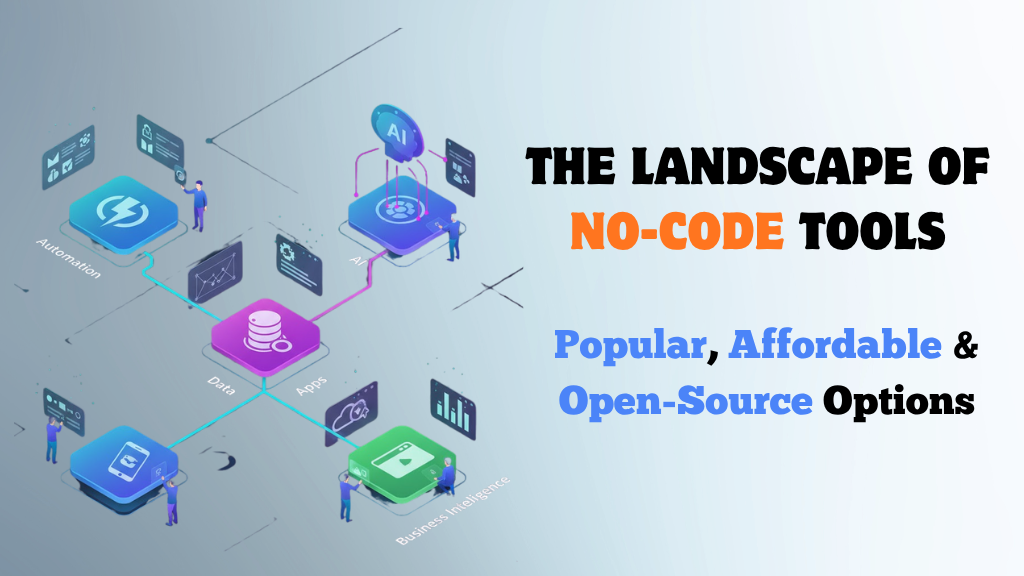
- Low‑Code/No‑Code for Internal Apps: Excellent for rapid prototyping and simple workflows but still requires professional oversight to ensure scalability, security, and integration reliability.
- Design Systems and Accessibility: Investing in a robust design system increases upfront cost but accelerates future feature delivery while improving UI consistency, accessibility, and user retention.
Common mistakes that inflate budgets
- Fuzzy Requirements: Ambiguity drives scope creep. Invest in discovery and product workshops early.
- Underestimating Integrations: APIs often behave differently in production always plan buffer time.
- Cutting QA and Security: Skipping these steps early multiplies costs later.
- Choosing Niche Tools: Limited talent pools increase hiring costs and slow progress.
- Overbuilding the First Release: Validate with an MVP and iterate based on user feedback.
- Ignoring Design and Maintenance: UX debt and outdated dependencies can snowball into major expenses.
Conclusion
Accurate software cost estimation in 2025 requires more than a ballpark number. Define your scope clearly, choose the right delivery model, and account for hidden costs early. Adopt modern practices AI‑assisted development, DevOps, and design systems to reduce long‑term costs while improving quality. Ultimately, measure success not by hourly rates, but by the value created. If you're ready to scope your project, we can help with a rapid assessment, technical architecture options, and a phased roadmap aligned with your budget and ROI targets.