




Mobile is no longer just a “channel.” For many companies, the app is the product, the storefront, and the feedback loop all rolled into one. Whether you’re building your first MVP or scaling a multi-country platform, the biggest constraints are almost always time, talent, and risk. Businesses that outsource mobile application development can access specialized talent, flexible capacity, and established delivery processes without building every capability internally. When done well, it compresses launch timelines, provides access to specialized expertise, and reduces operational risk allowing your team to focus on customers and revenue.
In this article, you’ll learn:
What mobile development outsourcing truly means in 2026?
The 11 strategic benefits that go beyond cost savings
How outsourcing compares to in-house hiring and staff augmentation?
Real-world scenarios for startups and enterprises
How to address concerns around security, IP, communication, and quality?
A decision framework to help you select the right partner with confidence
If you’re weighing build vs. buy vs. partner, this guide will help you make the choice with clarity.
Why Mobile Development Outsourcing Is a Growth Lever?
Outsourcing mobile app development isn’t just delegating code. It’s an operating model that taps into global talent and mature delivery systems product discovery, UX research, engineering, QA, DevOps, and post-launch optimization to turn ideas into shipped software faster. Working with an experienced mobile app development company can also give businesses access to established delivery processes, specialized engineers, QA expertise, product design, and post-launch support without building every capability internally. Speed is important because competition builds on itself. Validating features every two weeks, acting on user feedback within days, and adding more capacity without hiring new people all give you a compounding advantage. Cost optimization is one part of the equation, but the bigger win is momentum: getting things to market faster, doing more experiments, and releasing things on a regular basis that boost retention and revenue.
11 Strategic Benefits of Mobile Development Outsourcing
1. Faster Time-to-Market
When you build an internal mobile team, the first few months often go into hiring, onboarding, aligning tools, and defining processes. Real development starts later than expected. With outsourcing, the team is already formed, experienced, and used to working together. They have established workflows, sprint structures, and release processes, which means they can begin building almost immediately. Instead of spending months preparing to build, you start building right away. Key Benefit: You launch earlier, gather real user feedback sooner, and gain a competitive advantage in the market.
2. Access to Global, Specialized Talent
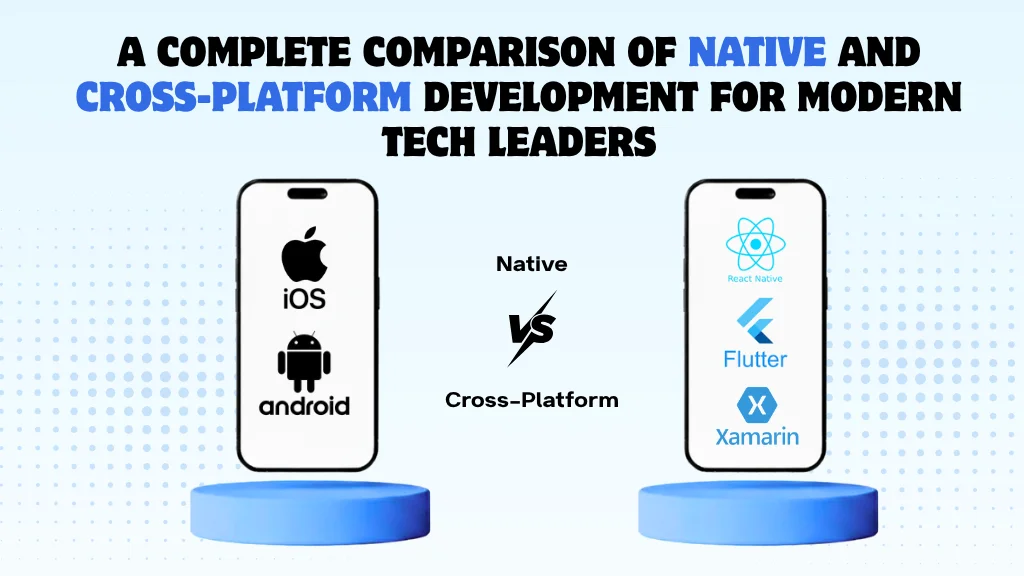
These days, making a mobile app takes more than just a programmer. You might need specialists for iOS and Android apps, UI/UX designers, backend developers, QA engineers, DevOps support, and expertise in cross-platform technologies such as React Native or Flutter. When you hire all of these specialists in-house, it can take a long time and cost a lot of money, especially if there are not many skilled workers in your area. When you outsource developers, you can access professionals who have already built similar products and understand proven practices in your industry. These specialists can complement your in-house team without requiring lengthy recruitment or permanent hiring.
Key Benefit: You get expert-level work done without having to spend a lot of time or money on hiring and training.
3. Scalable Teams Based on Your Needs
Business needs do not stay the same very often. You might need quick development to meet a launch deadline. Sometimes, though, development slows down while you work on marketing or operations. When you outsource, you can easily add more people to your team when you need them and take them away when you don't. This flexibility keeps your budget safe while making sure that progress stays steady during important times.
Key Benefit: Your development capacity adjusts smoothly to your business growth.
4. Smarter Cost Management
People often think of outsourcing as a way to save money, but the real benefit is that it makes money more efficient. When you build things yourself, you still have to pay for things like salaries, benefits, office space, and infrastructure, even when work slows down. This can provide a more cost-effective delivery model when specialized expertise is needed for a defined period. However, businesses should compare total project value rather than looking at hourly rates alone. Many teams that do outsourcing also use frameworks and components that have been tested and can be used again to cut down on extra work. This makes everyone more productive.
The costs to outsource app development depend on factors such as product complexity, platform requirements, integrations, UI/UX scope, testing needs, team composition, and ongoing maintenance.
Key Benefit: You maximize return on investment while maintaining strong development standards.
5. Clear Product Direction from the Beginning
Not all mobile apps fail because of bad coding; some fail because the idea for the product was not clear. A good outsourcing partner will help you figure out who your target users are, what the most important features are, and what needs to be done first before development starts. This structured discovery process stops features from being added that are not needed and redesigns that cost a lot of money later.
Key Benefit: You make a product that really works and does not waste time on features that do not matter.
6. Quality Built into the Process
Users expect high-quality mobile applications that are fast, reliable, secure, and simple to use. They quickly uninstall an app if it crashes or feels slow. During development, professional outsourcing teams constantly test performance, usability, and compatibility across devices. Understanding Automated Testing Benefits Use Cases can also help teams identify repetitive regression and critical user flows that should be automated to improve release speed and consistency. You find problems early on instead of after the launch, which saves time and protects your reputation.
Key Benefit: You make an app that people can trust and keep using.
7. Stronger Security and Intellectual Property Protection
It is very important these days to keep information safe and private. One mistake can ruin your brand for good. Companies that outsource work to trustworthy people follow rules for data encryption, secure coding, and compliance. Clear contracts also make sure that your business still owns the code and the product.
Key Benefit: You keep your business and customers' trust while lowering security risks.
8. Lower Project Execution Risk
When planning is unclear, requirements keep changing, or small technical choices lead to big problems later, mobile app projects often fall behind. An experienced outsourcing team, supported by a dedicated project manager, brings structure to delivery through clear responsibilities, sprint planning, documentation, risk management, and regular communication. They have clear plans, realistic deadlines, and written procedures that make sure everyone is on the same page from the start. They can spot risks early on before they turn into delays or budget overruns because they have worked on a lot of projects before. They can then fix them quietly in the background. They plan ahead instead of waiting until the last minute to deal with problems. The best thing for you is that you will feel better. Your project stays on track, you know what to expect, and you do not have to deal with bad surprises that cost you time, money, and trust. Monitoring tools can also provide real-time visibility into crashes, performance issues, API failures, and other problems that affect the user experience.
Key Benefit: Your project stays organized, predictable, and less prone to costly surprises.
9. Ongoing Improvement After Launch
It is not the end of the line when you launch an app; it is the beginning. When real people use it, they give feedback, ask for new features, and platforms like iOS and Android keep changing. Even a good app can quickly feel old if you do not keep it up to date. A good outsourcing partner will be with you even after the launch. They keep an eye on performance, fix problems before users complain, and slowly add new features based on how people actually use the product, not on guesses. You do not have to worry about things breaking or changing all the time because you have a steady team that keeps things running smoothly.
Key Benefit: The best thing about your app is that it keeps getting better, stays useful for users, and stays competitive as the market and technology change.
10. Staying Updated with Modern Technology
With new OS updates, performance guidelines, and new technologies like AI integration, mobile platforms change all the time. It can be expensive to keep up with internal research and learn new things all the time. As part of their core skills, outsourcing teams keep up with the latest news and bring this knowledge to your project.
Key Benefit: Your app stays up to date and ready for the future without needing a lot of internal research and development.
Outsourcing vs In-House vs Staff Augmentation
How to Choose the Right Development Model
For businesses comparing Outsourcing Vs In House Development Texas 2026, the right model depends on factors such as internal technical capacity, hiring timelines, project ownership, budget flexibility, and how quickly the product needs to reach the market.
| Model | Best For | Strengths | Trade-Offs |
|---|---|---|---|
| In-House Hiring | Long-term platforms where mobile development is core to your intellectual property and roadmap is stable. | Strong cultural alignment, real-time collaboration, and full control over architecture and quality decisions. Deep integration with internal teams and product vision. | High fixed costs, slower hiring cycles (especially for senior engineers), limited flexibility during sudden workload spikes, and difficulty maintaining broad expertise like security, DevOps, and automation internally. |
| Staff Augmentation | Adding specific expertise to an existing team or accelerating a focused area like Android optimization, UI redesign, or backend scaling. | You retain management control while quickly filling skill gaps. Faster onboarding than full-time hiring and access to targeted specialists without long-term commitments. | You still manage the process, quality assurance, and delivery risk. If internal processes are weak, adding people alone won’t solve structural issues. |
Mobile App Outsourcing | Fast MVP launches, greenfield platforms, modernization projects, or situations requiring complete end-to-end ownership. | Speed, access to a full cross-functional team (design, development, QA, DevOps), predictable timelines, scalable capacity, and built-in expertise across the delivery lifecycle. | Requires strong communication, clear scope definition, and proper vendor governance to avoid misalignment or expectation gaps. |
Common Mistakes to Avoid When Outsourcing Mobile Development
It can be a good idea to outsource mobile app development, but only if you think about it carefully. A lot of projects do not work out because of bad choices made early on, not because outsourcing does not work. These are the ones I have seen the most.
1. Trying to Build the “Perfect” MVP
One of the most common mistakes is trying to include everything in version one. Founders often think, “Let’s just add this one more feature.” Then another. And another. Before you know it, your MVP looks like a full-scale product, timelines stretch, and budgets drain. The purpose of an MVP is not perfection it’s validation. You’re trying to test whether users care, not showcase every idea you’ve ever had. A focused approach to MVP Development Mobile Apps helps teams validate the core product idea before committing resources to a larger feature set. Keep it focused. Solve one core problem really well, launch it, learn from real users, and then expand. The companies that grow fastest are the ones that learn fastest.
2. Ignoring UX Until It’s Too Late
You can build a technically strong app, but if users don’t understand how to use it, they’ll leave within minutes. Poor onboarding, confusing navigation, or unclear messaging can quietly kill retention. Many businesses underestimate user research because it feels optional. It’s not. Even a handful of early interviews or simple prototype testing can reveal issues before development begins. Fixing them later costs far more. Users don’t complain loudly. They simply uninstall.
3. Choosing Based Only on Price
It is normal to compare quotes. But choosing the lowest bidder just because it is cheaper can cause bigger problems down the road. Sometimes, lower rates mean teams that are not very experienced, delivery that is rushed, architecture that is not very strong, or requests for changes all the time. You might save money up front, but you will pay later in the form of delays, extra work, and lost time. Do not think about your hourly rate; think about the total cost. Time spent developing is time lost in the market.
4. Weak Communication and Loose Governance
Outsourcing does not mean going away and coming back in three months. When requirements are not clear, feedback is late, and priorities change every week without a plan, projects fail. To be successful at outsourcing, you need to have regular check-ins, clear documentation, sprint reviews, and a shared understanding of the scope. When both sides are on the same page, things go smoothly. When communication breaks down, people get angry quickly. When you outsource well, it feels like a partnership, not a business deal.
5. Forgetting About Performance and Reliability
It’s easy to focus only on features what the app does. But users care just as much about how it works. If the app loads slowly, drains battery, crashes under traffic, or fails in low network conditions, people won’t wait around. Performance, accessibility, offline functionality, and scalability need to be defined clearly from the beginning. They’re not “extras.” They’re part of the user experience. A beautiful app that doesn’t perform well won’t survive.
6. Treating Launch as the Finish Line
Many teams celebrate launch day as the end of development. In reality, that’s when the real work begins. Operating systems update. Security patches become necessary. User feedback reveals improvement areas. Competitors release new features. Without a post-launch plan and budget, your app slowly falls behind. Sustainable growth comes from continuous improvement, not a one-time release.
Conclusion
The main reason to outsource mobile app development is to get from an idea to something useful for your users faster and keep making improvements without any problems. For new businesses, it is a good way to try out ideas, learn quickly, and keep teams from getting burned out too soon. It lowers the risk of modernization for medium-sized and large businesses while also giving them access to specialized skills that are hard and costly to find in-house. The right outsourcing partner can help you turn challenges into strengths when speed, scalability, or consistent quality start to slow down your roadmap. You do not feel stuck anymore; you get moving. Starting small is a good way to go. Start with a short two-week pilot or a discovery sprint. It lets you check out the partnership, set expectations, and build trust before you agree to a bigger deal.